
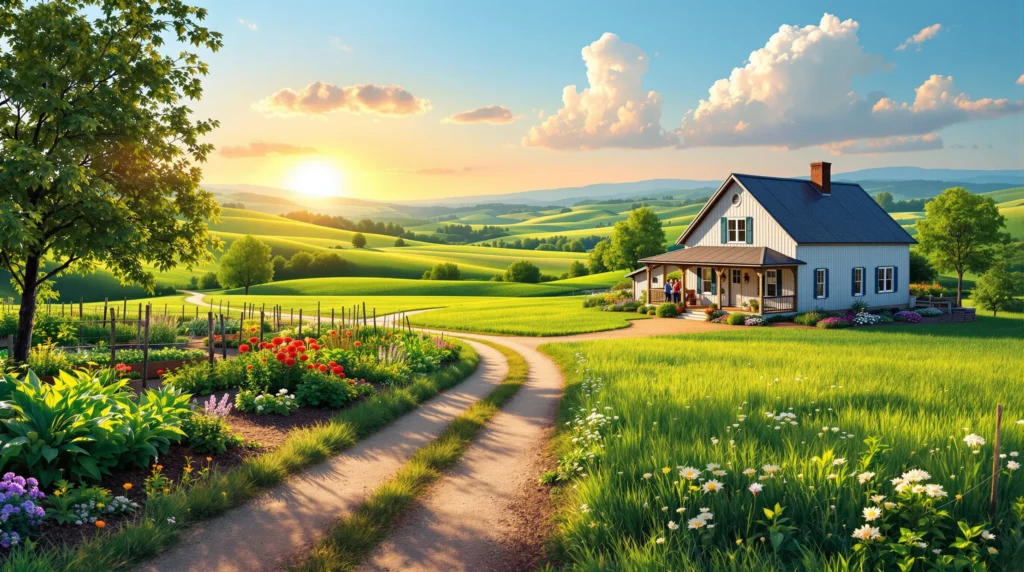
Picture this: You wake up to the sound of birds, not traffic. The air smells like fresh grass, not exhaust. Your phone barely buzzes, and the only rush hour is a flock of geese crossing the road. That’s rural lifestyle in a nutshell—simple, slow, and surprisingly rich. If you’ve ever felt burned out by city life, you’re not alone. More people are trading concrete for country, chasing a rural lifestyle that promises less stress and more meaning. But is it all wildflowers and porch swings? Let’s break it down.
What Draws People to the Rural Lifestyle?
Here’s the part nobody tells you: rural living isn’t just about escaping noise. It’s about finding space—literal and mental. In a rural lifestyle, you get room to breathe, think, and actually see the stars at night. You might trade a five-minute walk to the coffee shop for a fifteen-minute drive to the feed store, but you gain something city dwellers rarely get: quiet. Real, bone-deep quiet.
For some, the rural lifestyle means growing your own food. For others, it’s about knowing your neighbors by name, not just by apartment number. There’s a sense of self-reliance that comes from fixing your own fence or canning tomatoes from your garden. It’s not always easy, but it’s real.
Who Thrives in a Rural Lifestyle?
If you love convenience, hate dirt, or need constant entertainment, rural living might drive you nuts. But if you crave space, value independence, and don’t mind a little mud, the rural lifestyle could feel like coming home. It’s perfect for people who want to slow down, reconnect with nature, or raise kids who know where carrots come from (hint: not a plastic bag).
Daily Life: The Good, the Bad, and the Muddy
Let’s get specific. Here’s what a typical day might look like in a rural lifestyle:
- Morning: Feed chickens, check the garden, sip coffee on the porch
- Midday: Work (remote job, farm chores, or local business), chat with a neighbor at the post office
- Afternoon: Fix a leaky hose, bake bread, help a friend move hay
- Evening: Watch the sunset, listen to crickets, read a book by lamplight
Sounds idyllic, right? But here’s the truth: sometimes the well runs dry, the power goes out, or a raccoon raids your trash. You learn to roll with it. The rural lifestyle teaches patience and problem-solving—skills you can’t buy at a store.
Lessons Learned the Hard Way
I once tried to plant a garden without checking the soil. Rookie mistake. Nothing grew except weeds. My neighbor, a retired farmer, laughed and handed me a soil test kit. Lesson learned: in a rural lifestyle, you ask for help, and you help back. Community isn’t just a buzzword—it’s survival.
Benefits of Embracing the Rural Lifestyle
Here’s why so many people fall in love with rural living:
- Lower stress: Studies show rural residents report less anxiety and better sleep.
- Closer community: You’ll know your neighbors, and they’ll know you—sometimes too well.
- Connection to nature: Daily life follows the seasons, not a calendar app.
- Self-sufficiency: You learn to fix, grow, and make things yourself.
If you’ve ever struggled to find meaning in a nine-to-five grind, the rural lifestyle offers a different kind of satisfaction. It’s not about having less; it’s about needing less.
Challenges Nobody Warns You About
Let’s be honest. The rural lifestyle isn’t for everyone. Here are a few surprises:
- Isolation: Friends might live miles away. Social events take planning.
- Limited services: Forget Uber Eats. Sometimes, even pizza delivery is a fantasy.
- Hard work: Chores don’t take weekends off. Animals and gardens need daily care.
- Weather dependency: A single storm can knock out power or block roads.
But here’s the upside: these challenges build resilience. You learn to prepare, adapt, and appreciate small victories—like a perfect tomato or a warm loaf of bread.
How to Start Living a Rural Lifestyle
Ready to try the rural lifestyle? Here’s what works:
- Start small: Grow herbs on your windowsill. Visit a farmer’s market. Volunteer at a community garden.
- Research locations: Not all rural areas are the same. Some have strong communities, others feel isolated.
- Test the waters: Rent a cabin for a month. Talk to locals. Ask about the real challenges.
- Build skills: Learn basic repairs, gardening, or animal care. YouTube is your friend.
- Embrace imperfection: Things will go wrong. That’s part of the story.
If you’re serious about a rural lifestyle, remember: it’s not about perfection. It’s about progress, patience, and finding joy in the ordinary.
Is the Rural Lifestyle Right for You?
Here’s the part nobody tells you: the rural lifestyle isn’t a magic fix. It won’t solve every problem, and it’s not always easy. But if you’re willing to trade convenience for connection, and comfort for character, it might just change your life. You’ll make mistakes. You’ll get muddy. But you’ll also find moments of peace you never knew you needed.
If you’re still reading, maybe you’re ready for a change. Maybe you’re craving a rural lifestyle that’s slower, messier, and more real. The only way to know is to try. And if you do, don’t forget to check your soil first.